Complete Guide to Landscape Maintenance for Every Season
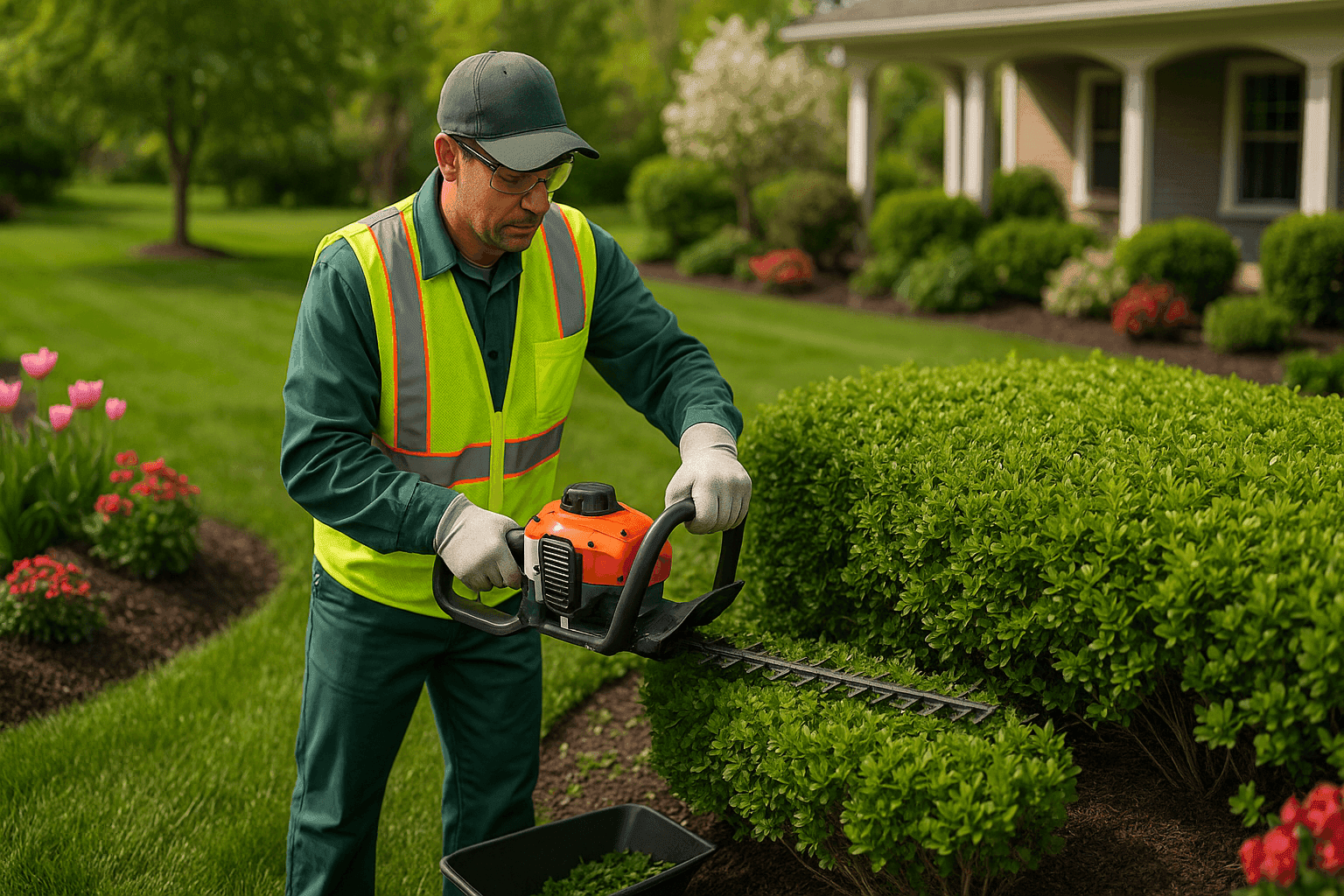
Every season writes a new chapter in your landscape’s story. Miss a beat, and weeds creep in or patios crack. Stay on top of maintenance, and your outdoor spaces become the envy of the neighborhood—or the pride of your business.
Racco Landscape is here to guide you through the rhythm of the year, so your garden beds, lawns, water features, and hardscapes stay healthy, safe, and ready for every occasion. Our crews follow guidelines from the National Association of Landscape Professionals and tips from certified horticulturists, so you know you’re in good hands.
Spring Cleanup Essentials 🌱
Spring is the season of renewal. As the soil thaws and buds swell, your landscape wakes up hungry for attention.
Why Spring Cleanup Matters
Winter leaves behind debris, compacted soil, and hidden pests. Ignoring this mess is like starting a race with your shoelaces tied together. Spring cleanup gives your plants the energy and space to thrive.
Key Tasks for Spring
- Garden Bed Cleanup: Clear fallen branches, leaves, and any winter mulch that’s turned soggy. This reduces mold and gives new shoots room to grow.
- Mulching: Add a fresh 2–3 inch layer of mulch. Not too thick, or water won’t reach the roots. Mulch locks in moisture, prevents weeds, and makes flower beds look sharp.
- Tree Trimming & Pruning: Remove dead or damaged branches before new growth takes over. Proper pruning improves plant health and reduces storm damage risk. Consult ANSI A300 standards for safe pruning.
- Soil Testing: Like checking your engine oil before a road trip. Professional soil tests reveal nutrient deficits—essential for targeted fertilization.
- Fertilization: Feed lawns, shrubs, and trees early. Use slow-release fertilizers recommended by local extension services.
- Irrigation System Check: Run every zone. Look for leaks, clogs, or broken heads. A well-tuned system saves water and keeps grass green.
Safety First
- Wear gloves and eye protection.
- Use the right ladder for tree work—never stretch or stand on top rungs.
- Follow tool safety guidelines from the Occupational Safety and Health Administration (OSHA).
Benefits of Spring Maintenance
- Prevents pest infestations.
- Reduces disease risk.
- Lays the groundwork for lush summer growth.
Summer Lawn & Garden Care ☀️
Summer turns up the heat—on your plants and your patience. Lawns and garden beds crave regular TLC to handle the sun, storms, and foot traffic.
Why Summer Care Is Critical
Without routine upkeep, lawns become patchy and weeds take over. Water features lose their sparkle. Patio and play areas get grimy or overgrown.
Essential Summer Tasks
- Lawn Care: Mow high (3–3.5 inches for most grasses) to shade roots and crowd out weeds. Sharpen your mower blade every 20–25 hours of use.
- Water Features & Irrigation: Check water levels in fountains and ponds. Remove algae and debris. Inspect pumps and filters monthly.
- Weed Control: Stay ahead. Pull weeds when soil is damp, or use targeted herbicides according to label directions.
- Garden Bed Maintenance: Deadhead spent blooms, stake tall flowers, and add compost as needed.
- Outdoor Lighting: Check fixtures for damage and clean lenses for safe nighttime use.
- Pest Control: Watch for signs of grubs, aphids, or fungal diseases. Use integrated pest management (IPM) strategies recommended by the Environmental Protection Agency (EPA).
Working Smart in the Summer
- Water early in the morning to reduce evaporation.
- Wear sun protection—hats, sunscreen, and long sleeves.
- Keep tools clean to prevent disease spread.
The Payoff
- Vibrant, safe play areas.
- Pest-free gardens.
- Hardscapes and seating ready for every barbecue or business meeting.
Fall Preparation Tips 🍂
Fall is nature’s cool-down lap. It’s the best time to prepare your landscape for the cold ahead.
Why Fall Matters
Leaves and dead growth left behind can smother your lawn or invite pests. Think of fall prep as putting your landscape to bed—so it wakes up strong next spring.
Must-Do Fall Tasks
- Leaf Removal: Regularly clear leaves from lawns, patios, and walkways. Wet leaves become slippery and breed mold.
- Aeration & Overseeding: Relieve soil compaction and encourage thicker turf. Fall is the prime time for cool-season grasses.
- Fertilization: Apply a slow-release fertilizer to strengthen roots for winter.
- Garden Bed Cleanup: Remove spent annuals, cut back perennials, and mulch tender plants.
- Retaining Walls & Hardscaping: Inspect for cracks or shifting. Schedule repairs before winter freeze-thaw cycles worsen damage.
- Outdoor Kitchens & Fire Pits: Clean thoroughly and cover to protect from snow and ice.
Safety & Efficiency
- Use a leaf blower or rake with an ergonomic handle.
- Never burn leaves in areas where it’s restricted—check local codes.
- Store chemicals and fertilizers safely away from freezing temperatures.
Long-Term Benefits
- Healthier lawns and beds in spring.
- Reduced risk of winter damage.
- Fewer pests and diseases.
Winter Protection Strategies ❄️
Winter can be brutal. Think of it as your landscape’s hibernation mode—still alive, just conserving energy.
Why Winter Care Is Important
Freezing temps, snow, and ice can break branches, erode soil, and damage irrigation lines. Skipping winter prep risks expensive repairs.
Vital Winter Tasks
- Snow Removal: Keep walkways, driveways, and patios clear. Use ice melt products rated safe for concrete and plants (check the Environmental Protection Agency’s recommendations).
- Protecting Plants: Wrap vulnerable shrubs with burlap. Use stakes to protect young trees from heavy snow.
- Irrigation System Drainage: Blow out lines to prevent frozen pipes and costly bursts.
- Hardscape Maintenance: Brush snow off stone patios and outdoor seating areas as soon as possible.
- Monitor for Pests: Rodents and insects sometimes seek shelter near foundations—inspect regularly.
Winter Safety Reminders
- Use snow shovels with ergonomic handles to reduce back strain.
- Apply de-icing agents according to manufacturer instructions.
- Wear slip-resistant boots and stay visible if working near roads.
Winter Wins
- Your property stays safe and accessible.
- Perennials and trees are less likely to suffer frost damage.
- Spring recovery is faster, with fewer surprises.
The Value of Preventative Maintenance
Think of preventative landscaping as regular oil changes for your car. Skip them, and small problems become big, costly ones. Seasonal upkeep:
- Extends the life of your lawn, garden beds, and hardscaping.
- Boosts property value and curb appeal.
- Reduces emergency repairs.
- Keeps you in line with local property codes and safety standards.
Safety Checklist for Every Season
- Inspect tools before each use.
- Follow manufacturer instructions for chemicals and equipment.
- Wear gloves, safety glasses, and sturdy shoes.
- Never trim trees near power lines—call a professional.
- Check local codes before pruning or burning debris.
Should You DIY or Call a Pro?
Some tasks are weekend-friendly. Others call for experience and proper gear.
DIY Friendly:
- Light mulching and weeding
- Planting annuals
- Simple leaf removal
Call a Pro For:
- Tree trimming & pruning above 10 feet
- Irrigation system repairs
- Retaining wall or patio installation
- Pest control requiring restricted-use chemicals
- Fountain or pond installation and maintenance
Certified professionals, like those at Racco Landscape, are trained in industry safety standards and use commercial-grade equipment.
What Happens When the Pros Arrive
- Walkthrough of your property to assess needs.
- Soil and plant health checks.
- Detailed plan for seasonal tasks.
- Safe, efficient use of specialized tools.
- Cleanup and disposal of debris.
- Recommendations for ongoing care based on the latest horticultural science.
Prevent and Maintain—Not Just Repair
Regular landscape maintenance is like flossing—easy to overlook, but vital for long-term health. Preventative care:
- Catches issues early (like pests or irrigation leaks).
- Reduces the risk of injury from damaged walkways or overgrown branches.
- Protects your investment in patios, outdoor kitchens, and water features near you.
Costs & Time Factors
Every property is unique, but in general:
- Spring and fall cleanups take the most time—plan for several hours to a full day, depending on property size.
- Summer maintenance is more frequent but less intensive—think quick weekly or bi-weekly tasks.
- Winter work is usually on an as-needed basis.
- Professional services may cost more up front but save money on repairs in the long run.
When It’s an Emergency
Sometimes, waiting isn’t an option:
- Storm-damaged trees threatening buildings or power lines.
- Irrigation leaks causing flooding.
- Pests like wasps or hornets making outdoor areas unsafe.
Call a certified landscape professional immediately. Quick response keeps people and property safe.
Frequently Asked Questions
How often should I mulch my garden beds?
Once a year in spring or early summer is usually enough. Add a thin top-up if mulch breaks down faster.
Can I fertilize in the fall?
Yes—fall fertilization strengthens roots for winter. Use a product labeled for autumn application.
Do I need to winterize my irrigation system?
Absolutely. Failing to drain and blow out lines can lead to burst pipes and costly repairs.
How do I know if my tree needs pruning?
Look for dead or broken branches, rubbing limbs, or excessive growth near power lines. When in doubt, call a certified arborist.
Local and Seasonal Considerations
Climate, plant types, and property size all affect your landscaping plan. Always check regional extension service guides and local codes for best practices. For example:
- Some areas restrict fertilizer use during rainy seasons to protect waterways.
- Certain pests or diseases may be specific to your region.
- Snow removal rules can vary for commercial vs. residential sites.
Ready for Every Season?
Year-round landscape maintenance isn’t just a chore—it’s an investment in beauty, safety, and lasting value. Whether you’re caring for a family yard, a retail plaza, or a community garden, Racco Landscape brings industry know-how and a commitment to quality.
Call Racco Landscape now — or reach us anytime at 888-896-2813 .