The Real Cost of Professional Landscaping: What to Expect
Every yard tells a story. But behind every lush lawn, bubbling fountain, or tidy hedge, there’s a real price tag. If you've ever wondered why quotes for landscaping services—like sod installation, patio builds, or water features—can vary so much, you’re not alone. Making sense of the numbers is your first step toward a yard that fits both your vision and your wallet.
At Racco Landscape, we’ve seen how a bit of planning can make all the difference. Let’s unravel the true cost of professional landscaping, so you know what to expect—and how to make every dollar count.
What Impacts Landscaping Costs? 🌳
Landscaping isn’t just “one and done.” Multiple factors shape your final bill. Some are as obvious as the size of your yard. Others are hidden, like the roots beneath a tree. Here’s what drives prices:
- Property Size and Layout: More ground means more materials, more labor, and more complexity. A small city garden is a different beast than a sprawling commercial lot.
- Material Choices: Premium flagstone for patios, specialty sod blends, or hand-carved fountains all carry price differences. Think of it like choosing between laminate and hardwood floors.
- Site Prep and Access: Sloped ground, rocky soil, or limited truck access can mean more prep time and sometimes, heavy machinery.
- Local Codes and Permits: Some projects—like retaining walls or irrigation systems—require following municipal codes. Permits may add to cost and timeline.
- Design Complexity: Simple lawn care differs from an outdoor kitchen or a custom water feature near you. The more features, the higher the budget.
- Ongoing Maintenance: Don’t forget the future. Fertilization, mulching, pruning, and pest control keep your investment thriving.
- Seasonal Factors: Spring and fall are peak times, which can influence pricing and availability.
Service-by-Service Price Ranges
Let’s break it down by the most-requested landscaping services. These numbers reflect industry averages from sources like the National Association of Landscape Professionals and HomeAdvisor—but remember, your project could land higher or lower.
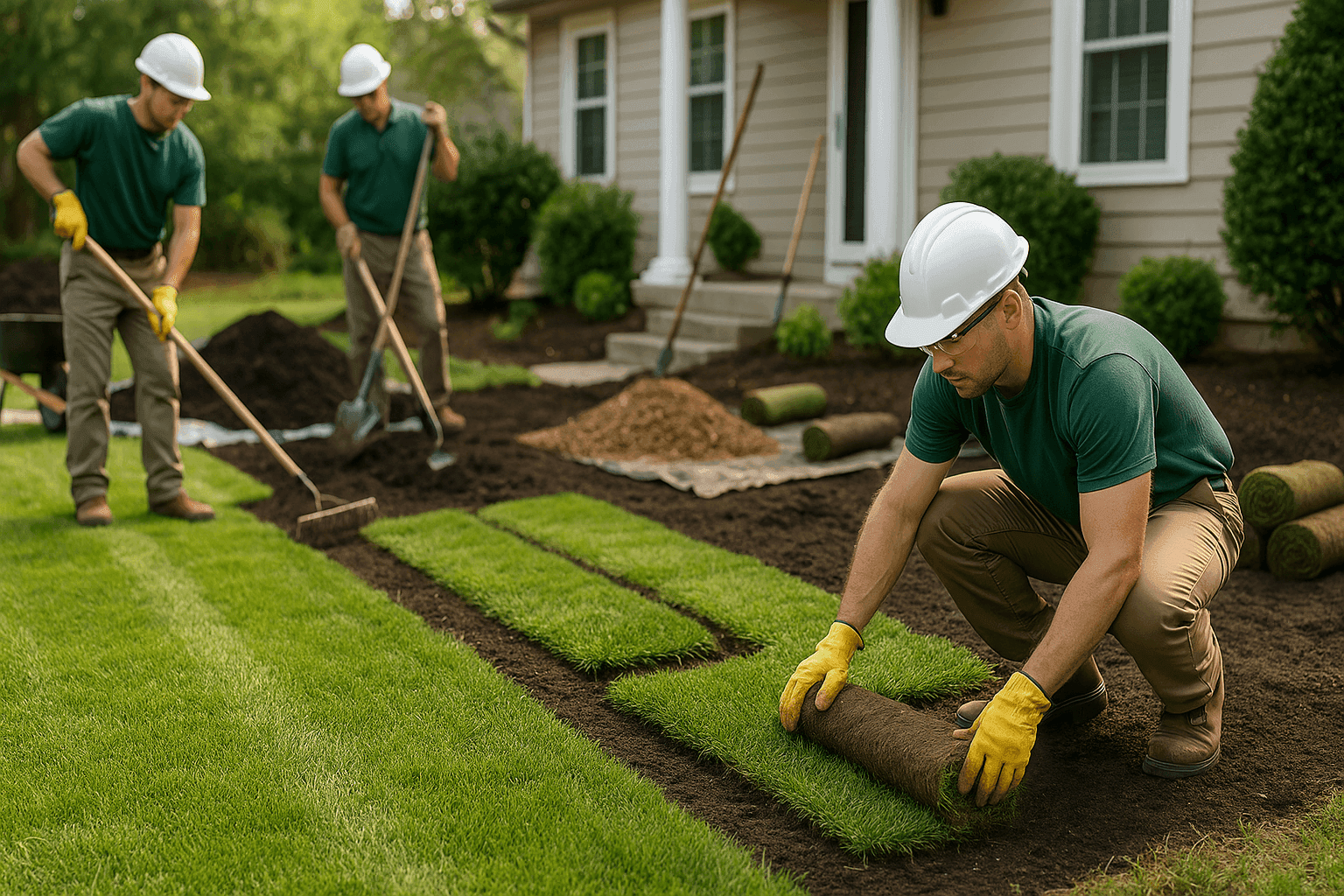
Sod Installation
- Average Range: $1.00–$2.50 per square foot (materials + labor)
- Factors: Sod type, site grading, area size, soil amendments.
- Tip: Larger areas often get a lower per-foot price.
Water Features & Fountains
- Average Range: $2,000–$10,000+ for ponds, streams, or custom fountains.
- Factors: Size, pump complexity, stonework, electrical work.
- Tip: Pre-formed kits cost less but offer limited design options.
Patio Installation
- Average Range: $10–$25 per square foot.
- Factors: Concrete vs. pavers, base prep, drainage, edging.
- Tip: Intricate paver patterns or natural stone increase cost.
Hedge & Tree Trimming
- Average Range: $100–$700 per visit, depending on scale.
- Factors: Height, density, species, accessibility.
- Tip: Regular maintenance prevents expensive overhauls.
Routine Landscape Maintenance
- Average Range: $50–$300+ per visit for lawns and beds.
- Factors: Lawn size, garden complexity, frequency (weekly, bi-weekly, monthly).
- Tip: Bundle services (mowing, mulching, pest control) for better rates.
Outdoor Kitchens, Fire Pits, and Hardscaping
- Outdoor Kitchens: $5,000–$20,000+ depending on appliances and finishes.
- Fire Pits: $300–$5,000 depending on materials and size.
- Retaining Walls: $20–$50 per square foot (materials + labor).
Irrigation Systems
- Average Range: $1,500–$4,000 for a standard system.
- Factors: Number of zones, controller options, trenching needs.
- Tip: Drip systems are usually less expensive than in-ground sprinklers.
Seasonal Cleanups
- Average Range: $200–$800+ per visit.
- Factors: Leaf volume, debris, bed cleanup, disposal fees.
Specialty Services
- Soil Testing: $20–$100 per sample (lab fees).
- Pest Control: $80–$300 per application.
- Snow Removal: $30–$150+ per visit, depending on property size.
All numbers are ballpark figures. For the most accurate quote, always request an on-site evaluation.
DIY vs. Professional Costs
Is rolling up your sleeves and going DIY worth it? Sometimes—especially for small jobs like planting annuals or spreading mulch. But for bigger projects, the savings can be misleading.
- Materials: Retail prices are often higher than what pros pay in bulk.
- Tools: Renting equipment (sod cutters, trenchers, tampers) adds up.
- Time: A weekend project may stretch into weeks after work and family commitments.
- Quality & Safety: Pros know local codes, utility line depths, and best practices for drainage, grading, and plant selection.
For major installs—like patios, irrigation, or water features near you—the risk of mistakes (and their repair costs) often outweighs DIY savings.
Maximizing Your Landscaping Budget 💡
Want your investment to go further? Here’s how to plan smart:
- Prioritize Needs vs. Wants: Start with essentials—drainage, soil health, irrigation—before moving to “nice-to-haves” like water features or fire pits.
- Phase Large Projects: Tackle big designs in stages. For example, install hardscaping first, then add plantings next season.
- Ask for Detailed Quotes: Written estimates should include labor, materials, disposal, and any applicable fees. Don’t be shy—request a line-by-line breakdown.
- Watch for Hidden Fees: Delivery, site prep, and permit costs can sneak up. Always clarify what’s included.
- Work with Local Pros: They know the climate, soil, and local codes. Plus, nearby teams can respond quickly to seasonal needs.
- Maintain Regularly: Routine care (mulching, cleanup, lawn treatments) prevents costly fixes down the road.
How to Get Accurate Estimates
- Schedule an On-Site Visit: Phone quotes are rough guesses. Walk the property with your landscaper so nothing’s overlooked.
- Share Your Vision: Bring photos, sketches, or a wish list. The more your contractor knows, the closer the estimate.
- Review Industry Standards: National Association of Landscape Professionals and local government websites offer helpful guidelines on pricing and safety.
Avoiding Hidden Costs
It’s easy to miss the fine print. Before you sign, ask about:
- Disposal Fees: Removing old sod, soil, or debris may not be included.
- Permit Fees: Some cities require permits for patios, outdoor kitchens, or major grading.
- Material Delivery: Stone, soil, and mulch deliveries may be billed separately.
- Warranty Terms: What’s covered—and what’s not—if plants or installed features fail?
Planning for Ongoing Maintenance
Landscaping is an investment—one that needs care. Set aside budget for:
- Seasonal Cleanup: Spring and fall leaf removal, bed refreshes, and pruning.
- Fertilization and Pest Control: Keeping lawns and beds healthy means regular treatments.
- Irrigation Checks: Yearly inspections catch leaks and inefficient zones before water bills spike.
- Mulching: Re-mulch beds each year to lock in moisture and boost curb appeal.
Frequently Asked Questions
How can I avoid overspending on landscaping?
Stick to a plan and prioritize. Always get a detailed, written estimate—don’t just go by a handshake or verbal promise. Be upfront about your max budget.
Are there landscaping upgrades that boost property value?
Absolutely. Features like patios, sod installation, and well-designed garden beds tend to offer a strong return on investment. Even simple upgrades (fresh mulch, trimmed hedges) can make a property more attractive.
Is professional landscaping worth it for small yards?
Yes. A thoughtful design and proper installation—even in a pocket-sized space—can transform the way you use your yard. Maintenance is often easier and more affordable, too.
How often should I plan for routine maintenance?
Most homeowners schedule bi-weekly or monthly visits for mowing, pruning, and bed upkeep. Seasonal cleanups (in spring and fall) are also key.
Local and Seasonal Considerations 🗓️
Climate shapes costs and schedules. In colder zones, you might budget for snow removal or late-spring plantings. In hot, dry regions, irrigation and drought-resistant plants save money over time. Racco Landscape always considers local conditions—helping you avoid surprises and keep your landscape thriving year-round.
Ready to See What’s Possible?
Landscaping can be a big step—but a rewarding one. Whether you dream of a peaceful pond, a sturdy patio, or a simple, lush lawn, understanding the costs is where your journey begins.
Call Racco Landscape now — or reach us anytime at 888-896-2813 .