How to Design a Low-Maintenance Garden Bed That Lasts
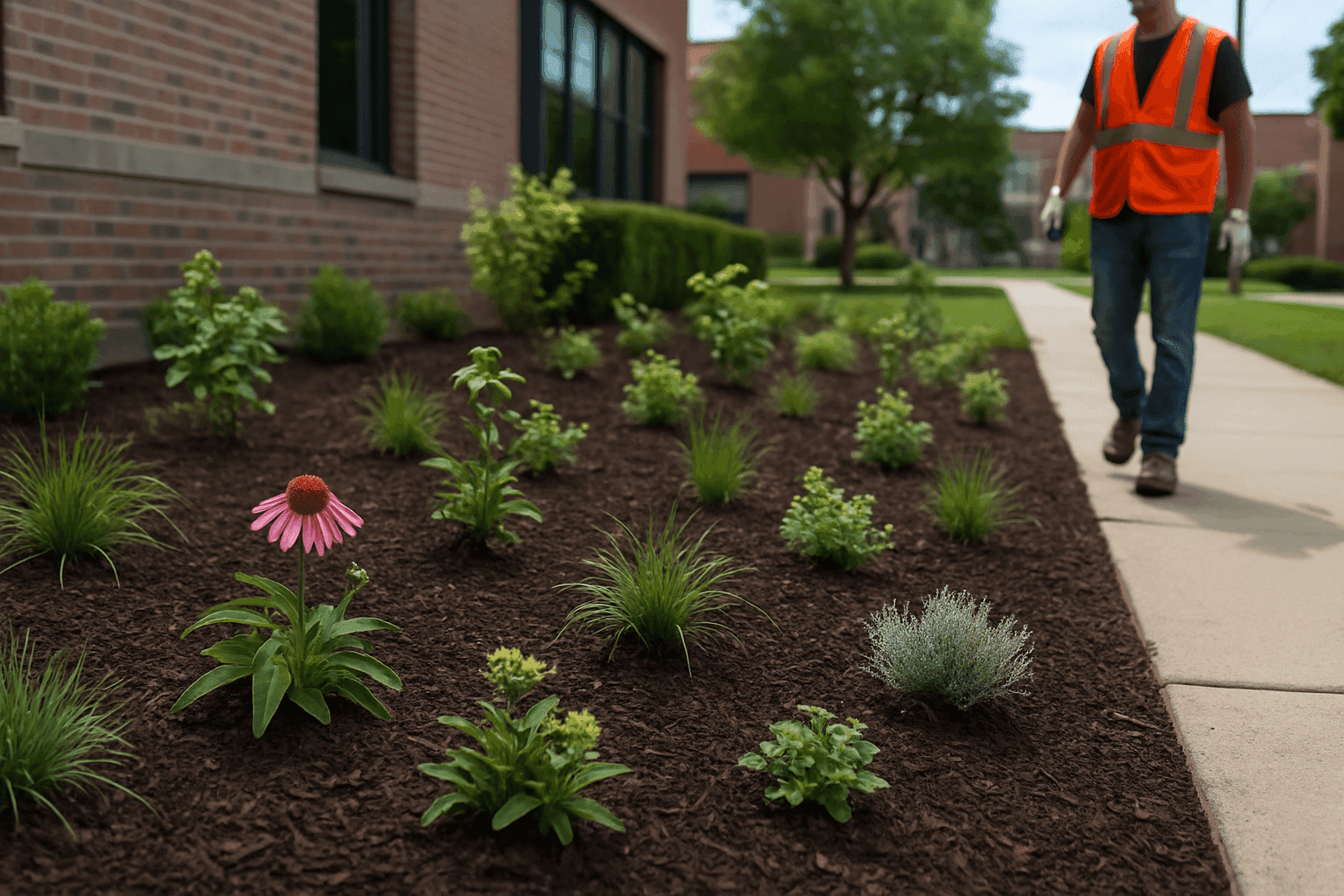
Building a garden bed that stays beautiful—and doesn’t eat up your weekends—sounds like a dream. For homeowners and property managers, the reality is often tangled weeds, tired plants, and mulch that vanishes faster than a summer rain. But it doesn’t have to be this way.
At Racco Landscape, our certified horticulturists have helped hundreds of families and businesses create garden beds that thrive on autopilot. We’re sharing a step-by-step guide to cut down maintenance, save money, and keep your garden beds looking lush all year.
Selecting the Right Location 🌞
A garden bed’s location is its foundation—just like picking the right spot for a cozy bench or a peaceful water feature near you. Get this wrong, and you’ll fight an uphill battle against nature.
- Sunlight: Watch the area for a few days. Does it bask in full sun, lounge in partial shade, or hide in deep shadow? Most low-maintenance plants need at least 6 hours of sunlight.
- Drainage: After a rain, check for puddles. Soggy beds invite root rot and weeds. If water pools, consider a raised bed or improved grading.
- Access: Place beds where you can water, weed, and admire them easily—near walkways, patios, or entrances.
Tip: Avoid planting too close to tree trunks or under dense canopies. Roots compete for water, and dense shade can stifle growth.
Choosing Low-Maintenance Plants
Think of your plant choices like a reliable old truck—dependable, robust, and unfussy. The secret? Focus on perennials and native plants.
- Perennials: These come back year after year. Coneflowers, daylilies, sedum, hostas—pick what thrives in your climate. The USDA Plant Hardiness Zone Map is a handy reference.
- Natives: Plants adapted to your local area need less water, fertilizer, and fuss. They shrug off pests and diseases, too.
- Groundcovers: Creeping thyme, vinca, or ajuga fill gaps, smother weeds, and look tidy.
- Evergreens: For year-round color, tuck in some dwarf boxwood or heuchera.
Design Layouts That Last: Use groupings of three or five for a natural look. Place taller plants at the back, low growers up front. This “layer cake” approach means less pruning and easier upkeep.
Mulching and Soil Preparation
Mulch is your garden bed’s armor—protecting roots, stopping weeds, and locking in moisture. But not all mulches are created equal.
Soil Preparation
- Test First: A simple soil test (available from local extension offices or garden centers) tells you if the bed needs lime, compost, or sand.
- Loosen Soil: Turn the soil to at least 8 inches deep. Remove rocks and old roots. Mix in compost for a healthy start.
Mulching Techniques
- Organic Mulch: Shredded bark, pine needles, or leaf mulch feed the soil as they break down. Keep mulch 2–3 inches deep—any more can suffocate roots.
- Inorganic Mulch: Gravel or river rocks work well in hot, dry areas or around succulents.
- Weed Barriers: Lay down a breathable landscape fabric under mulch to block weeds. Avoid plastic—it can trap moisture and harm roots.
Pro Tip: Pull mulch back a few inches from plant stems to prevent rot.
Tips for Sustainable Bed Edging 🌱
Edging keeps your garden bed neat—like the crisp seams of a well-tailored suit.
- Natural Edges: Create a shallow trench between lawn and bed. It’s simple, cost-effective, and easy to refresh.
- Stone or Brick: Durable and classic. Set stones or bricks tight to the soil to keep mulch in and grass out.
- Metal or Recycled Plastic: Flexible for curves and long-lasting. Install flush with the ground for a clean look.
Safety Note: Always call before you dig. Locate underground utilities as required by local code (see Common Ground Alliance for guidelines).
Proven Strategies from the Field
At Racco Landscape, our certified teams follow these steps for every garden bed install—residential or commercial. The formula is simple: right plant, right place, healthy soil, and a reliable barrier against weeds. We recommend annual soil testing and a spring top-up of mulch to keep everything humming.
Reducing Maintenance Time and Costs
Less maintenance means more free time and lower costs over the seasons.
- Watering: Drip irrigation systems or soaker hoses deliver water directly to roots, saving time and reducing waste.
- Fertilization: Use slow-release fertilizer or compost in spring for steady nutrition.
- Weed Control: Stay ahead of weeds with hand-pulling after rain, or use a hoe for larger beds.
For commercial sites, consider larger sweeps of native grasses or shrubs—these need even less attention.
Safety Checklist Before You Start
- Wear gloves, eye protection, and sturdy shoes.
- Check for buried cables or pipes before digging.
- Read chemical labels if using herbicides or fertilizer.
- Secure tools when not in use, especially around children and pets.
When to Call a Pro
DIY is rewarding, but sometimes the job is bigger than your shovel. If you’re dealing with poor drainage, compacted clay, or need large tree removal, professional landscaping help can save headaches—and backaches.
What Pros Do On Arrival
- Assess site and soil conditions.
- Recommend plants suited to your sunlight and soil.
- Plan the bed shape and access for maintenance.
- Install edging, weed barriers, and mulch for lasting results.
Prevention & Maintenance
- Inspect garden beds monthly for weeds and signs of pests.
- Top up mulch annually, or as needed.
- Adjust irrigation seasonally to prevent over- or under-watering.
- Prune perennials in late fall or early spring.
Costs & Time Factors
- Materials: Mulch, compost, edging, and plants have a one-time cost.
- Labor: DIY takes longer but saves on installation fees.
- Maintenance: Expect to spend a few hours each month, less if you use natives and mulch well.
Larger commercial beds may require quarterly maintenance visits, especially for weed control and seasonal cleanup.
When It’s an Emergency
Flooding, invasive pests, or sudden plant death? Don’t wait. Quick action can save your investment—and your landscape’s curb appeal.
Frequently Asked Questions
How long do low-maintenance beds really last?
With proper prep and annual upkeep, a well-designed bed can thrive for 10+ years with minimal intervention.
Can I use weed barrier fabric under mulch?
Yes, but choose a breathable landscape fabric. Avoid plastic, which can suffocate roots and block water.
Are all perennials low-maintenance?
Not all, but many are. Focus on natives and varieties proven in your climate for best results.
What’s the best mulch for low-maintenance beds?
Shredded bark or pine needles offer the best mix of weed suppression and soil improvement.
Local & Seasonal Considerations
- In colder climates, mulch in late fall to protect roots from freezing.
- In hot, dry regions, choose drought-tolerant natives and increase mulch depth to conserve moisture.
- For commercial properties, schedule regular checks before peak growing seasons for best results.
Ready to transform your yard—or business frontage—into a showpiece that won’t eat up your weekends?
Call Racco Landscape now — or reach us anytime at 888-896-2813 .