What to Do Before, During, and After a Storm: Emergency Landscape Care
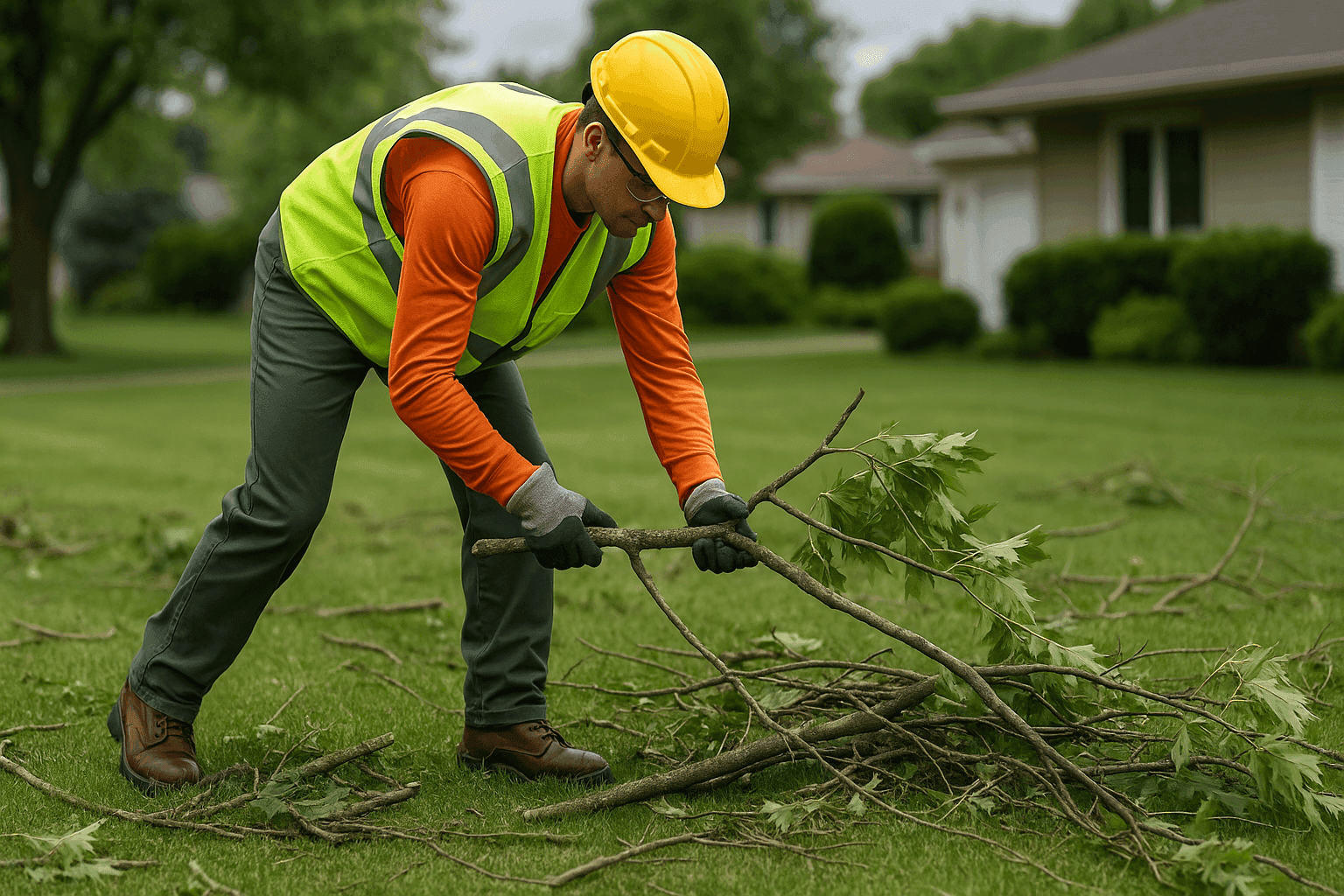
Storms don’t call ahead. One minute your garden is a sanctuary—the next, it’s at the mercy of wind and water. At Racco Landscape, we see the aftermath all too often. Years of experience keep us sharp, ready to protect everything from quiet backyards to sprawling commercial landscapes.
When severe weather threatens, time matters. Knowing what to do before, during, and after a storm can be the difference between a quick recovery and months of repair. Here’s how to prepare your property, keep it safe, and restore it when the skies clear.
Storm Preparation Checklist 🌧️
Before the first dark clouds roll in, take a walk around your property. Storm prep is like setting the stage for a play—you need every detail in place before the curtain rises.
- Prune Trees and Shrubs: Remove weak or dead branches. According to the International Society of Arboriculture, proper pruning reduces the risk of limbs snapping in high winds.
- Secure Outdoor Furniture & Décor: Patio chairs, grills, garden art, and toys can become dangerous projectiles. Store them indoors or tie them down.
- Clear Gutters and Drains: Blocked drainage causes pooling, flooding, and water damage to landscaping and hardscape features.
- Check Irrigation Systems: Shut off auto-timers and secure exposed pipes to prevent flooding and damage.
- Inspect Retaining Walls and Fences: Look for cracks or loose sections that wind or water might exploit.
- Mulch Wisely: Lay down heavier mulch materials that are less likely to wash away. Avoid loose wood chips before a storm.
- Move Vehicles & Equipment: Park away from large trees and power lines.
For commercial properties, check signage, lighting, and play areas. Make sure all walkways are clear—slippery debris is a hazard for everyone.
OSHA-Compliant Safety Tip
Wear gloves, boots, and eye protection when prepping. Use ladders only on stable ground and never prune large trees alone. Reference OSHA’s guide to landscaping safety for more details.
During the Storm: Safety First
As thunder rattles the windows, safety is your only job. The best storm prep isn’t worth a thing if you’re at risk.
- Stay Inside: Leave outdoor checks for later. Flying debris is unpredictable.
- Avoid Windows and Glass Doors: High winds and hail can shatter glass.
- Unplug Outdoor Lighting: Prevent electrical surges that could damage landscape lighting or irrigation controllers.
- Monitor Local Alerts: Listen to weather radios or apps for emergency updates.
- Don’t Attempt Repairs: If something breaks or blows over, wait until the storm passes.
If flooding is likely, shut off power to outdoor outlets and pumps for Water Features near you.
After the Storm: Cleanup and Restoration 🧹
The rain stops. Sunlight glimmers off leaves and puddles. Now comes the hard work—but rushing in can make things worse. Take it step by step.
1. Assess From a Distance
Look for downed power lines, hanging branches, and standing water. Hazards can hide in plain sight.
- Do not enter flooded areas. Wait until water recedes.
- Call utility companies for downed lines. Never try to move them yourself.
2. Walk the Property
Check for:
- Broken branches, especially those still hanging.
- Uprooted trees or shifted root balls.
- Damaged fences, patios, and retaining walls.
- Exposed roots or soil erosion in garden beds.
- Mulch or soil washed onto walkways or driveways.
3. Begin Cleanup
- Remove small debris by hand—twigs, leaves, and trash.
- Rake and bag leaf litter. Wet piles invite pests and fungus.
- Use a broom or blower to clear patios, hardscapes, and walkways.
- Prune broken limbs. If in doubt, leave large jobs to a certified arborist.
- Inspect irrigation systems for leaks or clogs.
- Check outdoor lighting and electrical features before turning them back on.
4. Watch for Hidden Damage
Some damage isn’t obvious:
- Roots may be weakened or exposed.
- Lawn may develop yellow patches from standing water.
- Ponds and Water Features might have hidden cracks or filtration issues.
- Pest problems can spike after a storm—look for unusual leaf damage or insect swarms.
If you spot these signs, it’s time to talk to a pro.
When to Call the Professionals
Not every storm cleanup needs a crew. But some situations call for help:
- Large, hanging branches or split tree trunks: Certified arborists use specialized gear to remove them safely.
- Structural damage to retaining walls, patios, or outdoor kitchens: Repairs often require masonry skills and permitting.
- Waterlogged garden beds or lawns: Soil testing can guide recovery and prevent fungal disease.
- Electrical issues: Outdoor lighting and irrigation should be checked by licensed technicians after flooding or lightning.
Professionals know where hidden hazards lurk. At Racco Landscape, our crews are OSHA-trained and ready to handle emergencies from small yards to commercial campuses. We’ve seen tree roots crack sidewalks, water features overrun by runoff, and play areas buried in debris. Fast, safe action makes all the difference.
What Professionals Do On Arrival
When a crew rolls up, the first step is safety—yours and theirs.
- Site Assessment: Identify hazards like unstable trees, downed wires, or standing water.
- Hazard Removal: Carefully clear large limbs, debris, and unstable structures.
- Soil and Drainage Checks: Look for washouts, erosion, or clogged drains.
- Landscape Restoration: Replant, regrade, and re-mulch as needed. Sod installation or garden bed cleanup may follow.
- System Inspections: Test irrigation, lighting, and water features for storm-related damage.
Certified arborists often start with trees—removing only what’s necessary, keeping healthy growth whenever possible. Any structural repairs are coordinated with local code requirements for safety.
Prevention & Maintenance
Storms are unpredictable. But smart landscaping makes recovery easier and damage less likely.
- Annual Pruning: Keeps trees and shrubs healthy and storm-resistant.
- Mulch Refresh: Use heavier materials and maintain depth to reduce erosion.
- Retaining Wall & Hardscape Checks: Inspect for cracks, shifting, or drainage issues every season.
- Regular Soil Testing: Healthy soil drains better, protects roots, and supports recovery.
- Pest Control: Address infestations before storms—weak plants are more likely to break or uproot.
- Upgrade Irrigation: Modern systems with rain sensors can help prevent overwatering or flooding after storms.
Commercial properties should schedule seasonal cleanups and maintenance. Play areas, outdoor kitchens, and seating areas often need extra care after severe weather.
Costs & Time Factors
Storm cleanup and landscape restoration costs vary widely. Factors include:
- Extent of Damage: More debris or larger trees mean higher costs.
- Type of Service: Simple leaf removal and mulching is less costly than hardscape repairs or tree removal.
- Property Size: Larger areas take more time and labor.
- Equipment Needs: Specialized gear for tree work or pond cleanup can add expense.
- Timing: Emergency calls or weekend rates may apply after major storms.
Plan for anywhere from a few hours (for light debris) to several days (for major restoration). Preventative maintenance can help keep costs down.
When It’s an Emergency 🚨
Some storm damage needs immediate attention:
- Downed power lines or electrical hazards.
- Trees fallen on homes, vehicles, or blocking access.
- Severe flooding that threatens structures or safety.
- Major structural damage to patios, retaining walls, or play areas.
In these cases, call emergency services first. Then, contact landscape professionals for cleanup and repairs.
FAQ: Emergency Landscape Care
How soon after a storm should I clean up?
Wait until it’s safe—no standing water, downed lines, or ongoing weather. Quick cleanup helps prevent further damage, but safety comes first.
What if my irrigation system is damaged?
Turn off water supply and power. Contact a professional for inspection and repairs to avoid leaks or electrical hazards.
Can I save a partially uprooted tree?
Sometimes. Small trees may survive if staked and cared for, but large trees often need removal. A certified arborist can advise.
Why does my lawn turn yellow after heavy rain?
Soil compaction and poor drainage can cause root stress. Aeration, soil testing, and reseeding may be needed.
Local & Seasonal Considerations
Storm risks change with the seasons. In spring, saturated ground can topple trees. Summer brings tornadoes and sudden windstorms. Fall’s heavy rains can erode garden beds and walkways. Winter ice and snow threaten branches and irrigation lines.
Tailor your storm prep and recovery for your local climate. Racco Landscape’s crews are trained for all seasons—snow removal in winter, leaf cleanup in fall, irrigation checks in spring.
When storms threaten your landscape, don’t wait. Preparation, quick action, and safe recovery keep your property beautiful and safe—season after season.
Call Racco Landscape now — or reach us anytime at 888-896-2813 .