Emergency Landscaping After Freezes and Hard Weather: Essential Steps for Homeowners
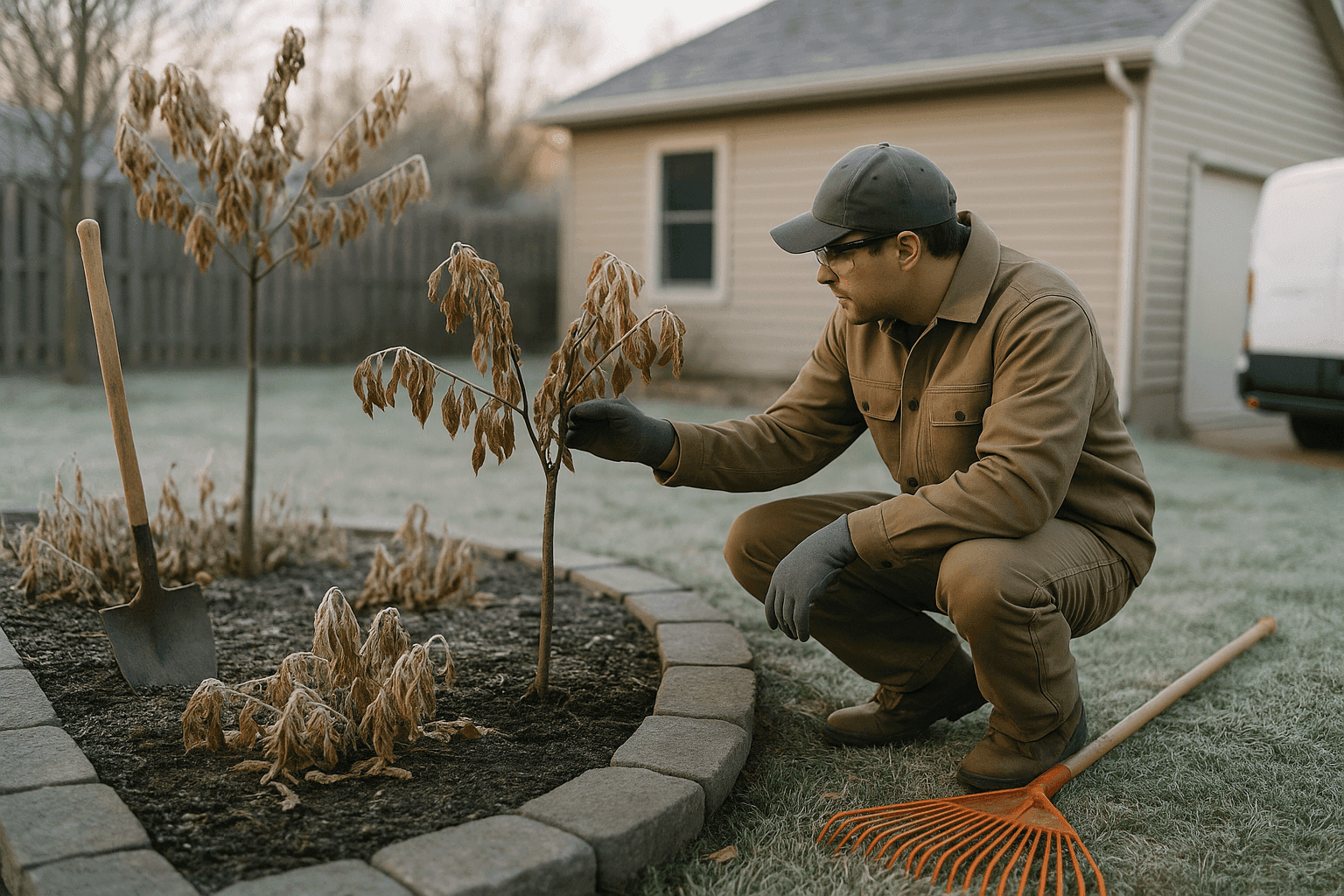
When a sudden freeze or wild weather hits, your landscape can go from thriving to battered overnight. Lawns turn brittle. Trees crack. Garden beds look like they’ve been through a storm—because they have.
You’re not alone if you step outside after a cold snap and feel overwhelmed. At Racco Landscape, we’ve seen it all, day or night. Whether it’s broken branches or frozen irrigation, we know how urgent it feels to bring your yard back to life.
Why Freezes and Hard Weather Hit Landscapes So Hard
A garden isn’t just grass and leaves. It’s a living system, and cold snaps are like pulling the rug out from under it. Water in plant cells can freeze and burst. Roots can suffocate under ice. Even the soil shifts, making everything less stable.
Storms and freezes don’t just leave a mess—they can leave hidden dangers. Branches weakened by frost may fall days later. Puddles freeze into slick hazards. And what looks dead might actually be able to bounce back, if you act quickly.
Safety First: Your Quick Damage Checklist 🛑
Before you grab your gloves and head outside, pause. Safety is step one. Here’s how to assess the scene without risking injury:
- Watch for hanging branches: Wind and ice can leave “widowmakers” overhead. Never stand under damaged trees.
- Check for downed wires: If you see any, stay far away and call your utility company immediately.
- Survey walkways: Ice, debris, and hidden roots can trip you up. Wear sturdy boots with good tread.
- Wear gloves and eye protection: Broken branches and sharp ice shards are no joke.
- Don’t rush into deep snow or standing water: There could be hidden hazards beneath.
If in doubt, wait for help. Safety guidelines from organizations like the Occupational Safety and Health Administration (OSHA) can help homeowners understand what’s safe to tackle.
Assessing the Damage: What to Look For
Not all damage is obvious. Here’s how to spot trouble:
- Lawns: Are patches turning brown or mushy? That’s a sign of freeze damage or poor drainage.
- Trees and shrubs: Look for split bark, hanging limbs, or leaves that are blackened and limp.
- Garden beds: Wilted, translucent, or “cooked” leaves often mean frostbite.
- Soil: If it’s hard as concrete or sopping wet, roots may be suffocating.
- Irrigation systems: Check for cracked pipes, broken sprinkler heads, or soggy spots that weren’t there before.
Take photos as you go. It helps track changes and can be useful if you need to file an insurance claim.
Immediate Steps: Protect and Stabilize Your Landscape
Once you’ve checked for safety, it’s time to act. The first 24–48 hours are critical for minimizing long-term damage.
Emergency Pruning and Cleanup
- Remove broken branches: Use clean, sharp tools. Cut just outside the branch collar (the swollen area where the branch meets the trunk).
- Clear debris: Pick up fallen limbs, leaves, and ice chunks to prevent mold and pests.
- Don’t prune frostbitten plants yet: Sometimes, what looks dead will recover. Wait until temperatures warm up to see what bounces back.
Mulching for Insulation
- Add mulch around roots: A 2–4 inch layer of mulch helps insulate roots from further temperature swings.
- Keep mulch away from trunks and stems: Too close, and it can cause rot.
Adjusting Irrigation
- Turn off automatic sprinklers: Watering frozen ground can make things worse.
- Hand-water if needed: If the soil has thawed but is dry, a gentle watering can help plants recover.
- Check for leaks: Frozen pipes can burst. Look for pooling water once things thaw.
Evaluating and Repairing Irrigation Systems After a Freeze
Irrigation is the silent hero of your landscape—and a prime target for freeze damage.
What to Check
- Pipes and valves: Look for cracks, bulges, or leaks.
- Sprinkler heads: Are any popped off or not working?
- Controllers: Power surges from storms can fry electronics.
How to Respond
- Shut off water supply: If you suspect a leak, turn off the system to prevent flooding.
- Inspect when thawed: Wait until everything is above freezing to test repairs.
- Replace damaged parts: Swap out cracked heads, pipes, or timers as needed.
If you’re not sure what you’re looking at, a professional can run a full system test and prevent bigger headaches down the line.
DIY vs. Calling a Professional
It’s tempting to handle everything yourself, but some jobs are best left to those with the right tools and experience.
When to Try DIY
- Small branches or light debris in open areas
- Laying down fresh mulch
- Minor irrigation adjustments (if you’re comfortable)
When to Call in the Pros
- Large or high branches that could fall
- Trees near power lines or structures
- Major irrigation leaks or electrical issues
- Signs of pest infestation or disease
- Soil that stays soggy or rock-hard for days
Racco Landscape is available 24/7 for emergency landscaping needs—because some problems can’t wait for business hours.
What Professionals Do On Arrival
When a landscaping crew arrives after a freeze, they move fast and methodically:
- Safety sweep: They’ll check for hazards you may have missed.
- Tree trimming and removal: Using professional-grade tools, they safely remove dangerous limbs.
- Soil testing: Quick tests reveal if your soil needs aeration, drainage improvements, or amendments.
- Irrigation inspection: Pros can diagnose hidden leaks or broken valves.
- Pest and disease assessment: Cold weather can awaken pests or expose plants to disease. Early detection is key.
The goal? Stabilize your landscape and set it up for recovery—not just a quick fix.
Prevention and Maintenance: Weather-Proofing Your Yard 🌱
The best defense is a good offense. With a little prep, your landscape can weather most storms.
- Prune trees in fall: Removing weak limbs before winter reduces breakage risk.
- Aerate and fertilize lawns: Healthy roots are more resilient to freeze and thaw cycles.
- Winterize irrigation: Drain and insulate pipes before the first hard freeze.
- Mulch garden beds: A thick layer protects roots from wild temperature swings.
- Regular inspections: Catching issues early keeps small problems from becoming big ones.
The National Weather Service and local extension services are good sources for seasonal prep tips.
Costs and Timing: What to Expect
Emergency landscaping isn’t one-size-fits-all. Here’s what can affect costs and time:
- Severity of damage: More damage = more labor and materials.
- Size of property: Larger yards take longer to assess and repair.
- Type of service: Tree removal, irrigation repair, and soil testing all have different timelines.
- Material availability: After major storms, there can be delays getting mulch, replacement plants, or irrigation parts.
Most emergency cleanups take a few hours to a full day, but major repairs may stretch over several days. Pros will always discuss options and timelines before starting work.
When It’s a True Emergency
Not all post-freeze damage needs a midnight call. But some situations can’t wait:
- Large, hanging branches over homes or walkways
- Downed trees blocking driveways or exits
- Major water leaks or flooding
- Signs of electrical hazards (sparking, buzzing, exposed wires)
- Sudden pest infestations after a storm
If you’re unsure, it’s better to call and ask. Quick action can prevent injuries and more extensive damage.
FAQ: Emergency Landscaping After Freezes
How soon should I start cleanup after a freeze?
As soon as it’s safe. The first 24–48 hours are crucial for preventing further damage.
Can frozen plants recover on their own?
Sometimes! Wait a week or two before pruning. Many plants bounce back with warmer weather.
Is it safe to use salt or de-icer on garden paths?
Use with caution. Many salts can harm lawns and beds. Look for pet- and plant-safe products.
Should I fertilize after a freeze?
Hold off. Fertilizing stressed plants can do more harm than good. Wait until growth resumes in spring.
Special Considerations for Emergency Landscaping Services
Every property is unique. Here are a few things to keep in mind:
- Pets and children: Keep them away from work zones and debris piles.
- Insurance: Document all damage with photos for potential claims.
- Accessibility: Make sure gates and paths are clear for crews and equipment.
- Follow-up care: Ask for advice on long-term recovery—sometimes, it’s a marathon, not a sprint.
Stay Ready: Ongoing Maintenance Matters
Weather is unpredictable. But with regular landscape care—pruning, mulching, irrigation checks—you can help your yard bounce back faster after the next freeze or storm.
When disaster strikes, you don’t have to face it alone. Racco Landscape is here 24/7 with the experience and tools to handle emergencies large and small.
Call Racco Landscape now — or reach us anytime at 888-896-2813 .