Essential Guide to Emergency Snow and Ice Removal for Homeowners
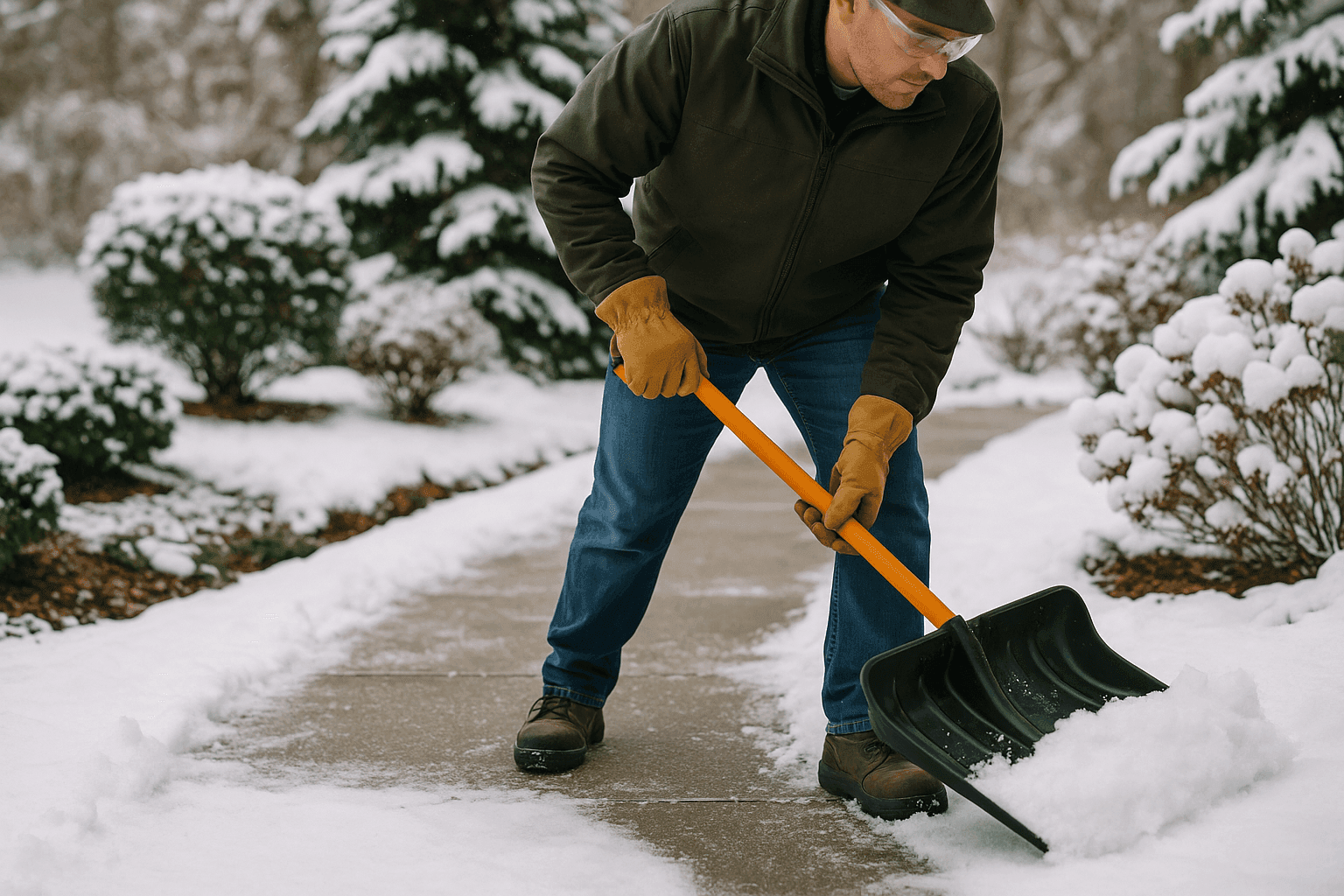
Winter storms don’t send a warning. One day your yard is peaceful; the next, it’s buried under snow and ice. Homeowners everywhere know the stress that comes with a sudden freeze. It’s more than just shoveling a path—your landscape’s health and safety are on the line.
At Racco Landscape, we’ve seen how fast a winter emergency can threaten lawns, plants, and outdoor spaces. The right response, at the right time, makes all the difference. Here’s what every homeowner should know to keep things safe, beautiful, and functional—no matter what winter throws your way.
Why Timely Snow and Ice Removal Matters
Ignoring snow and ice isn’t just an inconvenience. It’s a recipe for trouble:
- Ice can crack patios and walkways.
- Heavy snow crushes shrubs, hedges, and young trees.
- Frozen buildup blocks irrigation systems and damages pipes.
- Slippery steps and paths invite accidents.
Think of your landscape like a living, breathing friend. When it’s weighed down by winter’s grip, it needs care. Timely removal helps prevent lasting damage—saving money, time, and stress down the road.
Quick Safety Checklist for Snow and Ice Removal 🧤
Before you grab a shovel or step outside, check these essential safety tips:
- Dress in layers. Waterproof boots, gloves, and a hat are musts.
- Warm up your muscles. Stretch a little—snow removal is real exercise.
- Use salt or sand on icy spots, but avoid spreading near delicate plants.
- Keep walkways clear of tools and cords.
- Shovel early and often, before snow gets packed down.
- Take breaks to avoid exhaustion or injury.
- Never use boiling water to melt ice—it can refreeze and make things worse.
The National Safety Council and OSHA recommend using ergonomic tools and working in short bursts to reduce strain. Your health comes first.
Safe Snow Removal Techniques
Every yard is different, but the basics hold true:
Hand Shoveling
- Use a lightweight, curved shovel to protect your back.
- Push snow rather than lifting when possible.
- Start with main walkways, steps, and driveways.
- Shovel in layers if snow is deep—don’t try to move it all at once.
Snow Blowers
- Clear debris from the area before starting.
- Never use hands to unclog a snow blower—use a stick or tool.
- Point the chute away from people, pets, and windows.
De-Icing
- Use calcium chloride or magnesium chloride for ice control. These are less damaging to plants than rock salt.
- Apply before a storm if possible for best results.
- Sweep excess material off hardscapes after the thaw to protect surfaces.
Tools and Equipment Every Homeowner Needs
Having the right tools is half the battle. Here’s what to keep handy:
- Ergonomic snow shovel
- Ice chopper or scraper
- Sturdy broom for light snow
- Snow blower (for large driveways or heavy snow regions)
- De-icer (pet- and plant-safe options available)
- Heavy-duty gloves and boots with good traction
Inspect your tools before the season. Replace anything cracked or worn out. The right gear makes the job safer and faster.
Identifying and Managing Ice Hazards Around Walkways and Patios
Ice loves to hide in plain sight. Here’s how to spot and handle it:
- Look for shiny, wet patches on concrete—this is often black ice.
- Check shaded areas and spots near downspouts for hidden buildup.
- Place non-slip mats on steps and entryways.
- Use sand or kitty litter for traction on trouble spots.
Never chip away at ice with sharp metal tools—they can crack pavers and concrete. Instead, sprinkle de-icer, wait, then gently loosen with a plastic shovel.
Protecting Trees, Shrubs, and Garden Beds from Ice Damage
Plants are especially vulnerable during ice storms. Heavy buildup can snap branches or flatten entire beds.
Tree and Shrub Care
- Gently brush off snow with a broom—always sweep upward to avoid breakage.
- Never shake icy branches; let ice melt naturally to prevent splitting.
- Prune dead or weak limbs in fall, before storms hit, as recommended by the International Society of Arboriculture.
- Wrap vulnerable shrubs with burlap for added protection.
Garden Beds
- Use mulch to insulate roots and reduce freeze-thaw cycles.
- Avoid piling shoveled snow on top of beds—this can crush perennials and compact soil.
- If ice forms on beds, don’t chip at it. Wait for a thaw, then gently aerate the soil.
DIY or Call a Pro? Deciding What’s Best
Some jobs are safe for homeowners. Others aren’t worth the risk.
DIY is best for:
- Light to moderate snow on flat, clear surfaces
- De-icing small walkways
- Brushing snow off low shrubs
Call for emergency landscaping help if:
- Snow is heavy, wet, or packed down
- There’s ice covering trees, large hedges, or roofs
- You notice downed branches or damaged irrigation
- Walkways are dangerously slick and you’re unsure how to proceed
Remember, professionals use specialized tools and follow safety protocols from OSHA and industry standards. When in doubt, it’s safer to ask for help.
What Pros Do On Arrival
When a landscaping crew arrives for emergency snow or ice removal, here’s what typically happens:
- Assessment: They inspect your property for hazards—broken limbs, ice dams, blocked drains.
- Safety First: Crews clear main access points and mark hidden obstacles.
- Specialized Equipment: They use snow blowers, plows, and eco-friendly de-icers for efficient clearing.
- Plant Protection: Sensitive beds and shrubs are shielded or brushed off with care.
- Post-Cleanup: Walkways, patios, and driveways are checked for remaining ice and treated as needed.
Their goal: restore safety and prevent further damage, all while protecting your landscape’s health.
Prevention & Maintenance: Staying Ahead of Winter
A little prep goes a long way. Here’s how to set your landscape up for winter success:
- Prune trees and shrubs before the first freeze.
- Mulch garden beds to insulate roots.
- Drain and shut off irrigation systems to avoid frozen pipes.
- Install snow stakes to mark driveway edges and garden beds.
- Store de-icer and tools in an accessible spot.
- Schedule a fall inspection with a landscaping professional.
According to the American Society of Landscape Architects, proactive winter prep reduces emergency calls and keeps landscapes thriving year-round.
Costs & Time Factors: What to Expect
Snow and ice removal costs and time vary, depending on:
- Amount and type of snow (powdery vs. wet and heavy)
- Size and complexity of your property
- Tools and equipment needed
- Frequency of storms
DIY jobs can take anywhere from 30 minutes to several hours, depending on conditions. Professional emergency landscaping services are typically faster and more thorough, especially after major storms.
Keep in mind: Delaying removal can increase both costs and risks. Quick action is usually less expensive than fixing damage later.
When It’s an Emergency
Not every snowfall is a crisis. But these signs mean it’s time to act fast:
- Ice is blocking main walkways or your driveway.
- Snow is bending or breaking trees and shrubs.
- Water is pooling near your foundation or leaking into basements.
- You can’t safely clear the area yourself.
If you’re facing any of these, don’t wait—emergency landscaping is about protecting both your property and your family.
FAQ: Common Homeowner Questions
How soon should I clear snow after a storm?
Ideally, start as soon as it’s safe. Fresh snow is lighter and easier to move. Waiting can lead to compacted, icy buildup.
What’s safest to use on icy walkways?
Look for calcium chloride or magnesium chloride de-icers. They’re less harsh on plants and hardscapes than rock salt.
Will snow damage my lawn?
A light blanket of snow insulates grass. But heavy, wet snow or repeated compaction can cause damage and mold issues in spring.
Can I use my regular garden tools for snow removal?
Some tools, like plastic shovels and brooms, work well. Avoid metal tools on patios or near plants—they can cause more harm than good.
Special Considerations for Emergency Snow and Ice Removal
Every landscape is unique. Keep these points in mind:
- Newly installed sod or garden beds are extra vulnerable to freeze-thaw cycles.
- Hardscaping like patios, walkways, and retaining walls can shift or crack if not properly cleared.
- Outdoor lighting and irrigation components are at risk—mark them clearly to avoid damage during removal.
- Play areas and outdoor kitchens need regular checks for slippery surfaces or falling ice.
If you have water features, ponds, or fountains, make sure they’re winterized before storms hit. A little attention now saves headaches later.
Call Racco Landscape now — or reach us anytime at 888-896-2813 .