Preventing Common Lawn and Garden Pests: Pro Strategies
A single beetle can turn a lush green lawn into a patchwork overnight. One aphid-infested rose bush? It quickly becomes a buffet for hungry insects. At Racco Landscape, we've seen how fast small problems grow when pests move in—whether you’re managing a sweeping commercial campus or a cozy backyard.
You work hard on your landscaping. You deserve a space that's safe, healthy, and vibrant. The best defense? Knowing the enemy, staying alert, and acting before pests win the upper hand.
Common Lawn and Garden Pests
Not all garden visitors are welcome. Some sneak in under the cover of night, others arrive on the wind. Here’s a quick roll call of usual suspects you might face in both residential and commercial landscapes:
- Grubs (beetle larvae) that chew grassroots, turning lawns spongy.
- Chinch bugs and sod webworms, silent destroyers of turfgrass.
- Aphids and whiteflies, sapping plant juices and spreading disease.
- Japanese beetles that skeletonize leaves in clusters.
- Moles and voles, tunneling and uprooting your sod installation.
- Slugs and snails, feasting after rain on garden beds, mulch, and play areas.
- Cutworms that slice off seedlings at the soil line.
- Spider mites, nearly invisible, but leaving a dusty trail on leaves.
- Ants and wasps, sometimes helpful, sometimes hazardous near outdoor seating areas.
Every season brings new threats. In spring, soft-bodied insects surge. Late summer is prime time for beetles and caterpillars. Winter? Rodents and burrowing pests seek warmth beneath mulch or near retaining walls.
Signs of Infestation 🕵️
Catching pest problems early is like spotting smoke before the fire catches. Here’s what to watch for:
- Yellow, brown, or wilting patches in grass—often a grub or chinch bug problem.
- Sticky, shiny residue (honeydew) on leaves or patio furniture—aphids or scale insects at work.
- Chewed or skeletonized leaves, especially on roses and fruit trees.
- Tiny webs on evergreens or under plant leaves—spider mites.
- Sudden bird or animal activity—they might be feeding on pests, or on the plants themselves.
- Soil mounds, tunnels, or uneven turf—moles, voles, or other burrowers.
- Visible insects clustered on stems, buds, or the undersides of leaves.
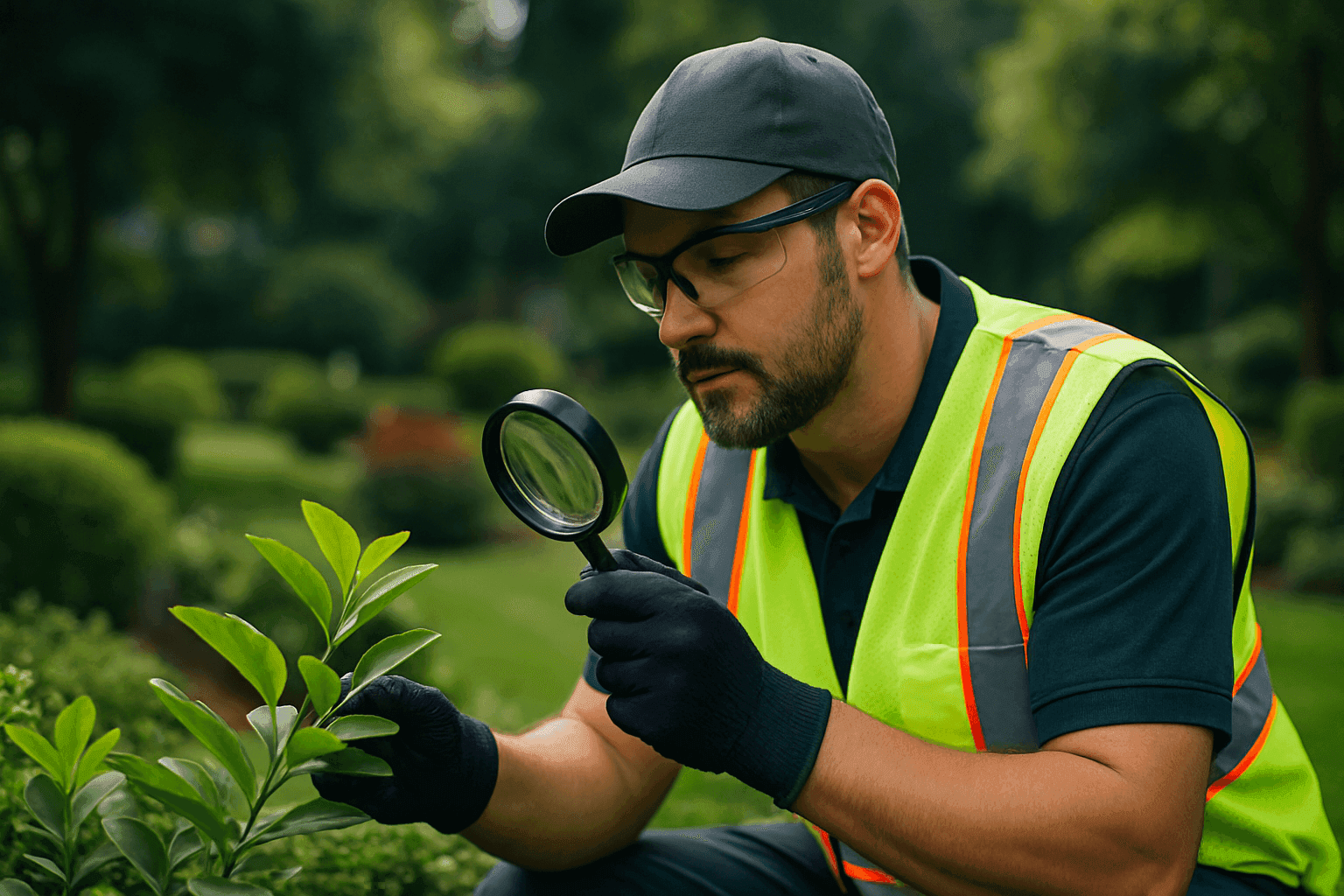
Routine inspections—in all seasons—are your first line of defense. Use a magnifying glass when you can, especially in dense shrubs or garden beds.
Prevention Best Practices
You don’t have to wait for pests to make themselves at home. Here’s how Racco Landscape recommends building strong defenses:
Start with Healthy Soil
- Soil testing helps ensure your lawn and garden get the right nutrients. Healthy plants resist pests naturally.
- Add organic matter or compost to boost beneficial microbe populations, making it harder for pests to thrive.
Water Wisely
- Install efficient irrigation systems to avoid overwatering—damp soil invites fungus and grubs.
- Water early in the day so foliage dries before nightfall.
Mulch with Care
- Use mulch to suppress weeds and retain moisture, but avoid piling it against plant stems (which attracts insects and rodents).
- Refresh mulch each season, especially after garden bed cleanup.
Encourage Beneficial Insects
- Ladybugs, lacewings, and certain wasps are natural predators of aphids, mites, and caterpillars.
- Plant a variety of flowering species to attract these allies.
- Avoid broad-spectrum insecticides—they harm the good bugs along with the bad.
Landscape Design for Pest Resistance
- Space plants for proper air flow—crowded beds are pest hotels.
- Choose pest-resistant species where possible.
- Rotate annual plantings to break pest cycles.
Clean Up Regularly
- Remove fallen leaves and debris, especially in autumn; these hide overwintering pests.
- Prune dead or diseased branches promptly and dispose of them properly.
Monitor and Maintain
- Regularly inspect for signs of trouble.
- Adjust fertilization and watering as needed—stressed plants attract pests.
Reference: The University of California Integrated Pest Management Program recommends a blend of cultural, biological, and mechanical controls to minimize chemical use.
When to Call a Professional
Sometimes, DIY just doesn’t cut it. Here’s when it’s time to bring in the pros from Racco Landscape:
- Pests return despite your efforts, or the problem is spreading fast.
- You spot unknown insects or mysterious damage.
- There’s evidence of large-scale infestations—like sod rolling up in sheets or trees losing leaves rapidly.
- You manage commercial properties or public play areas, where safety and liability are top priorities.
Professionals bring science-backed methods, specialized tools, and eco-friendly solutions that protect both your landscape and local wildlife.
Safe, Eco-friendly Control Methods 🌱
At Racco Landscape, we believe in minimizing harm while maximizing results. Here’s how we tackle pests responsibly:
- Manual removal (hand-picking, pruning) for small infestations.
- Biological controls like introducing beneficial nematodes for grub issues.
- Targeted treatments using low-toxicity or organic products, following EPA and local safety guidelines.
- Barriers and traps for slugs, snails, and crawling insects.
- Habitat modification—adjusting irrigation, cutting back dense shrubbery, or relocating compost piles.
We always balance effectiveness with care for pollinators and non-target wildlife. Our goal? A thriving, pest-resistant landscape, not a sterile one.
Real-World Example
A local school’s play area was plagued by turf-damaging grubs every spring. Instead of resorting to harsh chemicals, we used soil testing, adjusted irrigation, and introduced beneficial nematodes. Within one season, grub damage dropped by 80%, and the lawn recovered naturally—safer for children, pets, and pollinators.
Actionable Monitoring Routines
Stay ahead of pests with these habits:
- Walk your property weekly. Check lawn edges, beds, under leaves, and around hardscaping.
- Note any sudden changes. Browning, wilting, or new holes? Investigate right away.
- Keep a garden journal. Track what works, when problems appear, and seasonal patterns.
- Maintain garden beds, trim hedges, and clear debris after storms or heavy winds.
- Schedule seasonal cleanups and soil checks.
Consistency is your best defense. Small efforts now prevent big headaches later.
FAQ: Lawn and Garden Pest Control
Q: Are all bugs in my garden bad?
A: Not at all! Many insects—like ladybugs, ground beetles, and lacewings—are nature’s pest patrol. Focus on encouraging these helpers.
Q: Will chemical treatments harm my pets?
A: When used, we opt for targeted, low-toxicity products and always follow label instructions. Let us know about pets, and we’ll adjust our approach.
Q: How can I keep pests out of my new sod installation?
A: Water correctly, avoid over-fertilizing, and monitor for early signs of grubs or chinch bugs—especially in the first few weeks.
Q: Is pest control safe for vegetable or herb gardens?
A: Yes, but it requires extra care. We use food-safe, eco-friendly options and recommend regular inspection.
Seasonal Pest Threats and Local Considerations 🍂
- Spring: Watch for aphids, cutworms, and early beetle activity. Mulching and garden bed cleanup are top priorities.
- Summer: Grubs and Japanese beetles peak. Irrigate wisely and mow at the right height.
- Fall: Rodent activity increases. Remove fallen fruit, leaves, and check mulch depth.
- Winter: Inspect for burrowing pests. Protect young trees and shrubs from nibbling wildlife.
Local weather patterns, like heavy rains or drought, can shift pest populations. Stay flexible, and adapt as needed.
Final Thoughts
Pest problems don’t have to rule your landscape. With good habits and up-to-date prevention, you can keep your lawn, garden beds, water features, and play areas healthy all year.
Notice something odd in your landscape? Curious about eco-friendly pest control or landscape maintenance?
Call Racco Landscape now — or reach us anytime at 888-896-2813 .